Water against soil never ever stops negotiating. Tides push as well as fall. Tornado surges probe for weak spots. Vessel wakes up hammer retaining wall panels like stable mallets. If you construct or even preserve waterside business resources, you live with that discussions every day. Steel pieces bow, timber walls creep, and also cement panels split under consistent bending over. Soil saturates, sheds strength, and attempts to hold loads it ought to never ever observe. In this environment, helical tiebacks and supports verify their market value due to the fact that they bring in the ground component of the building system as opposed to the adversary you deal with time after season.
I discovered that course on a jetty task along a briny river where the manager assumed "short-term" tiebacks coming from the 1990s still lived left behind. They performed, up until a winter nor'easter integrated with a king trend. The wall surface really did not fail fully, however it dispersed sufficient to jam a crane rail and stopped procedures for pair of weeks. Rebuilding wasn't the tough part. Prodding procedures to stage tools 5 feet a greater distance landward during the course of installment was the real fight. Helical tieback anchor installation got 5 evenings, along with torque kept an eye on directly, and also the wall surface has actually kept within 3 millimeters of its own alignment since then. That project sealed a handful of methods I give every waterside bulkhead: verify soil data, concept for cyclic filling, suppose water will be where you least expect it, and also musical instrument the hell out of it.
What a Retaining wall Wants: The Load Course as well as the Unstable Links
Bulkheads function as keeping wall surfaces with water on one side and surcharge loads on the various other. In straightforward terms, the boards or sheets take lateral pressure, the wales and also limits dispersed that load, and the supports tie whatever back to an extra dependable block of dirt. The lots road have to be crystal clear and uninterrupted. When you view a wall structure bowing near midspan between wales, or even when tie pole heads start to corrosion hemorrhage, you're examining a bunch course that is actually either small or even compromised.
Helical tieback anchors settle a persistent beachfront concern: locating dependable tension capability in dirts that are variable, damp, and also often unconsolidated. A helical anchor is a steel shaft along with several coils that screw in to the ground. The coil overlays develop bearing in proficient strata Commercial Helical Pile Installation while bum rap transmits the strain back to the waler. Torque in the course of installation associates to containing capability. That singular fact brings in helical anchors engaging near water where excavating examination pits is dangerous as well as steering conventional supports can easily reverberate by means of vulnerable structures.
In much older commercial internet sites, you'll still find rod-and-deadman systems. They work when you possess area responsible for the wall surface and dependable soil for a concrete deadman. Yet "room supporting the wall structure" is actually hardly on call on a revenue-producing waterside where every square foot assists holding, storage, or rail. Helical tiebacks land right in that restriction. The tools impact is actually small. You can easily mount coming from the skin of the wall surface or even a narrow deck, as well as you may connect with capability without large excavations.
Where Helical Tiebacks Make Sense
I reach for helical tiebacks in three repeating instances:
- Retrofits old timber or steel slab stack retaining walls where gain access to behind the wall is minimal and you need to always keep procedures live. New industrial retaining walls with poor to tool dirts in the higher 15 to 30 feet as well as a proficient bearing layer deeper, frequently thick sand or even frosty till. Projects requiring reduced resonance as well as exact capability command, such as around utilities, delicate structures, or even on piers along with famous fabric.
That performs not imply helicals are actually common. In really smooth organic debris prolonging deep without a dependable bearing level, a helical anchor can chase after twist without ever before securing. In those ailments, micropiles or even pierced supports with cement light bulbs may be the better solution. Similarly, if you anticipate heavy debris or even rocks, progressing a helical with a cobble lense may be slow-moving or even illogical, and commercial micro pile installation or commercial resistance pile installation might take the lead. The opinion phone call comes down to soil verification, constructability, and just how much water you may manage during the course of installation.
Soil, Water, and Truth Checks
The best technical submittal still breaks down if your ground expectations mistake. On watersides, boring logs grow older terribly, as well as seasonal groundwater shifts dirt behavior right into a relocating target. I like a two-pass strategy. Initially, our experts do standard borings as well as CPTs at sufficient terminals to brace the wall structure alignment. Second, we treat the first half-dozen anchors as instrumented probes. We log twist, penetration every transformation, and pore stress responses at each coil elevation. When twist hops through an aspect of 2 over a brief acumen, you know you have actually struck density or even a stiff layer. When torque keeps shateringly reduced beyond anticipated midsts, you know the layout needs to chase after a deeper level or switch to a various system.
Helical twist connection factors vary. Suppliers and also developers commonly make use of an empirical connection of best ability equal to a several of setup twist. The a number of relies on pole kind, helix configuration, and also soil training class. On beachfront ventures along with mixed stuffing, I keep the safety and security frame traditional. If the concept asks for 80 kips per tieback, I like to see a torque profile page that assists 120 kips in the same ground to make up cyclic tons as well as feasible wash. You may back off along with verification screening, yet I prefer to have frame in the data than a pleasant fiction.
Water complicates everything, particularly when you bore or disrupt the dirt matrix. One advantage of helical anchors is the lack of cement, which clears away a whole group of water-related threat. Yet the water still impacts setup torque as well as long-lasting deterioration. I specify oxidation loss allocations based upon salinity and also oxygen availability, with density added to the shaft and also hot-dip priming as a standard. If the site mixes fresh stormwater and tidal saltwater, rust may outmatch assumptions considering that oxygen bicycling keeps higher. In those zones, a polymeric finishing or even propitiatory anodes may pencil out over the life cycle, and it costs running the numbers.
Designing the Tieback System, Certainly Not Only the Anchor
Anchors receive the focus, yet tiebacks belong to an unit that includes the waler, the hookup equipment, the bulkhead doors, the backfill, and the deck or slab that rides on top. I have changed lots of anchors that were actually still sound while the waler split or even worn away around them.
Start along with relationship stiffness. If the waler has enough give, the support bunches focus at the hookups closest to surcharges, and also your wall disperses erratically. I choose constant steel wales with splice platters that leave behind no spaces at support sites. For wood grains on more mature walls, steel support platters spread the bunch as well as minimize obliterating. Hardware information issue. Big washing machines that appear generous in a submittal may leave you with spying action as well as neighborhood bending over. Correct clevises and bearing plates carry out cost additional, yet they purchase on their own when you verification examination and also the lots transfers precisely without eccentricity.
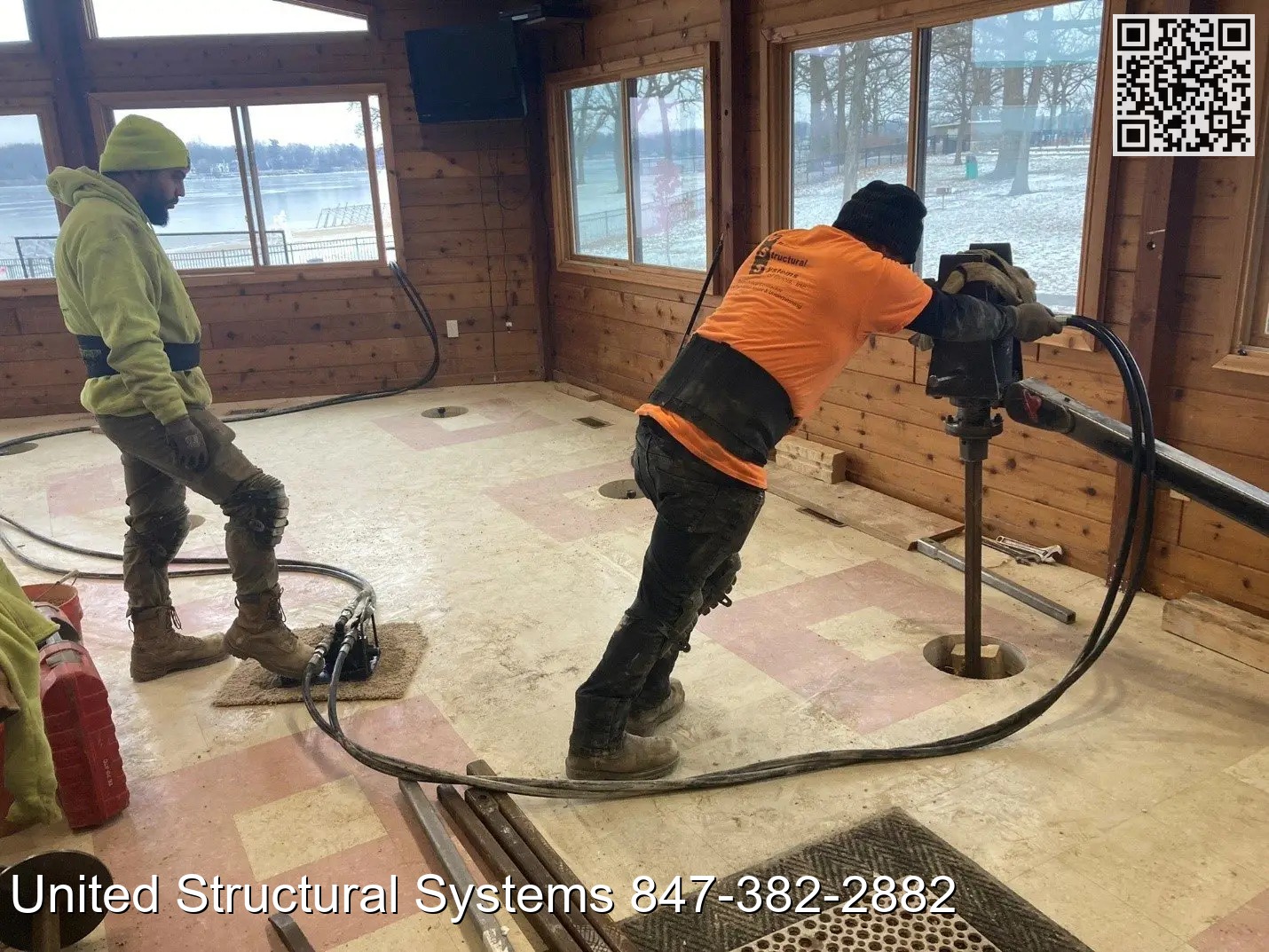
Proof and also functionality screening of a portion of supports is actually certainly not only a container to examine. On one retaining wall along with 240 helical tiebacks, our company tested 10 per-cent to 150 per-cent of concept bunch and also viewed motion patterns that pushed our team to adjust embedment midsts by 2 to 4 feet in a 3rd of the wall. That modification dealt with a disposable lens complication that would certainly have steered maintenance for a long times. The cost of testing was actually a fraction of rework.
Construction Sequencing in the Damp Zone
The finest concept could be reversed through a hurried series. Waterside projects live in cramping windows determined through trends, permits, and also operations. I plan around three truths: restricted access, variable water levels, and also meticulous ecological controls.
On get access to, much smaller tools for commercial helical pile installation and also commercial helical tieback anchor installation is actually a great thing. A mini-excavator or a compact monitor rig with a high-torque head may twist anchors in to the ground with good command as well as marginal disruption. If the wall surface is over water, our experts install the gear on a burst along with a potato body for reliability. For landside accessibility, steel mats stop messing under the gear and always keep the additional charge uniform.
Water amounts have an effect on holding and also protection. On tidal sites, I plan put up bursts when the forecasted reduced tide straightens with work hours, then secure the job face with short-term obstacles when the water returns. Where the wall surface cracks, I have the workers pre-stage pumps along with verboseness. Pump breakdown during the course of a rising tide may switch a dependable digging in to a risk within minutes.
Environmental managements should have appreciation. Sediment plumes are certainly not negotiable with regulators, and spill sets are certainly not optional. Hydraulic liquid in the water is a venture fantastic. Our company utilize eco-friendly hydraulic oils around water, as well as our team verify tube problem daily. It takes field, but the substitute is far worse.
Helical Tiebacks vs. Drilled Anchors vs. Deadman Systems
I keep a simple mental comparison when urging owners. Helical tiebacks are swiftly, quiet, and also verifiable via torque and also evidence testing. They beam in variable grounds where a skilled coating is actually available and where you can easily not tolerate resonances. Bored supports with grouted light bulbs provide high capabilities in strong gentle soils yet demand rigorous grout control, housings in loose areas, as well as more labor. Deadman and tie rods stay cost-effective when you possess property behind the wall surface and also steady dirt, though they conflict with electricals and also future growth. Mix as well as match as needed to have. I have incorporated helical tiebacks along the majority of a product line and drilled anchors in a brief grasp where all natural down payments required the concern. The manager obtained the most ideal market value without upgrading the whole entire system.
When Micropiles Get in the Conversation
Micropiles and helical piles provide cousins of the very same purpose: locating capability in unsatisfactory ground for tensile or even compressive necessities. On watersides, micropiles show up where the wall surface not only needs sidewise restriction yet additionally upright assistance for a limit or deck. If comb endangers to undermine superficial bases, micropile installation enters into deep foundation repair, and in many cases you link the wall structure as well as deck along with a common micropile grid. Micropiles hold high loads along with small sizes, as well as in a commercial setting they permit you string between energies. The give-and-take is slower creation as well as the requirement for spoil monitoring, housing, and also grout verification.
Helical piles likewise hold compressive bunches, as well as for many commercial helical pile installation scopes they supply much faster timelines with cleaner internet sites. If the geotechnical profile consists of thick sands or even stiff clays at obtainable depths, helical piles stick out. Or even, commercial micro pile installation may pioneer. I usually specify both on the very same project: helical tiebacks for the bulkhead's side unit and also micropiles or even resistance piles for upright bunches at crane beams or even fender piles.
Handling Motion, Surveillance, and also Maintenance
Even a well-anchored wall actions. That is actually not failing; that's habits. The concern is the amount of, how fast, as well as whether it supports. Our experts prepared movement limits in each straight as well as vertical paths. For commercial foundation stabilization, I have actually used thresholds like 0.5 inches overall side action along with a day-to-day cost restriction in the course of building, then a much lower lasting cost. Shaking cable pressure gauges on the wales and lots cells on an example of tiebacks provide information. Tip sensing units at frequent intervals tell you if the wall is actually spinning as a device or even kinking in between anchor points. Machinery sets you back a little percent of task worth as well as spares you from guessing at the cause when one thing appears https://www.unitedstructuralsystems.com/highland-park/ off.
Maintenance planning is actually not extravagant, however it protects worth. You yearn for accessible anchor heads, protective limits, as well as area to re-tension or even mount supplemental components without fixing the wall surface. In corrosive dash zones, planned washdowns as well as visual questionnaires capture finishing reduction before it becomes a structural trouble. Where freeze-thaw cycles push water in to fractures, you include foundation crack repair at the cap and panel joints, sealing as well as, when required, sewing along with complex covers that shake off salt.
Resist the Appeal to Over-Anchor
It's effortless to presume additional anchors amount to even more safety and security. Certainly not consistently. Over-anchoring can easily stabilize one section of wall surface, shift tons paths, as well as develop tension risers. I as soon as spoke to on a harbor where a mid-project improvement purchase added 30 per-cent even more supports in a 120-foot reach without changing the waler concept. The result was waler grief and also local board breaking under slight storms because lots transactions focused at a few anchor factors. The remedy was certainly not much more anchors; it was a continuous steel waler with effective stiffness as well as far better space. Balanced systems work far better than brute-force quantities.
Tying Anchors to the Larger Foundation Picture
Waterfronts are certainly not single-purpose structures. You'll have properties, bearers, tanks, rail, as well as cranes all relying on the reliability of that edge. Structural foundation repair work inland frequently piles right into the exact same timetable, so established priorities. If the bulkhead moves, the property slab near the upper hand will certainly transmit the notification through cracks and also door misalignments. I have actually used resistance pile units at the property edge, helical anchors at the wall surface, as well as a pliable joint in between both to ensure that each device may move within a small variation without sending tension. That thinking falls under commercial foundation repair at its ideal: marry the right tools to the right problem.
Resistance stacks deserve a mention. They are superb where headroom is actually restricted and also you require to drive piles making use of the skyscraper as response. For a retrofit storage facility abutting a bulkhead, commercial resistance pile installation enabled us to derive bay pillars along with marginal internal disruption, then connect slab sides with pegs while the wall structure got new helical tiebacks. The systems matched one another as opposed to defending space.
Construction Narratives That Shape Practice
On a Basin Coastline venture, coil rejection occurred at 18 feet where the borings forecasted thick sand at 30 feets. Turns out an old riprap foot had slipped landward by means of years of servicing. The team felt the vibration and also the twist spiked. We shifted the anchor slant by 5 levels and re-advanced, at that point logged the twist at depth to affirm capability. Without that on-site judgment, our team would certainly possess dropped a day chasing after the wrong path or even, worse, ruined the shaft. I mention this because newspaper concepts need to have field adjustment, and also your installer's adventure issues as long as your spec.
Another project involved a storm-damaged hardwood bulkhead where tieback anchors had actually corroded at the tidal area, yet the breakdown just became visible after a burst wake up collapsed an area of backfill. The solution incorporated new helical tiebacks, discerning replacement of wood panels along with complex units, and also a compacted geogrid level responsible for the wall to redistribute lots. Our team presented work in between cargo ship arrivals, in four-hour windows. Every single time our team assumed the sequence was nailed, a ship will switch routines, and our experts needed to pause with partial shoring in location. Pre-planned emergency measures kept the website secured: short-term braces, sacrificial walers, and also unnecessary pumps. The lesson: waterside job perks redundancy and also reprimands optimism.
Cost, Book, and also Risk
Owners request varieties, and also while costs swing by region and also access, a tough feeling assists. Helical tieback anchor installment commonly manages lower than pierced supports on a per-capacity manner when grounds work together, commonly through 15 to 30 per-cent, and also routines press due to the fact that you bypass grout remedy opportunity. When you feature use, environmental controls, as well as verification screening, the advantage narrows, however helicals commonly still gain for retrofits.
Risk sits where you may certainly not find: unfamiliar blockages, took too lightly rust, and also undervalued periodic lots. Mitigate with allotments in the purpose impediments, prework energy swings, as well as a sensible rust allowance. I compose specs that purchase modification when subsurface fact varies materially from information. That justness gets you better rates and also a team that discusses info quickly.
Integrating with Operations
On business websites, anchors, cranes, and also bearers carry out not stop for your comfort. Sequencing the helical tieback team up with vessel telephone calls, tidal home windows, and also distribution is an organizing puzzle. I insist on weekly look-aheads shown to operations and the harbor professional. On slender wharfs, our team mark "no setdown" regions and also waypoints for forklifts that maintain tons off active support lines. Easy floor-leveling floor coverings and brief protector plates safeguard newly put up support minds while visitor traffic rolls. None of the is actually building magic, however it keeps tasks away from trouble.
Quality Control That Really Matters
Field QC for helical anchors need to be actually basic, repeatable, and also recorded. I prefer 3 traits logged per anchor: setup torque versus depth, angle and placement validated with a jig or even electronic amount, as well as evidence exam leads to the pointed out bunch with displacement documented at set periods. A photo of the crown assembly after installment along with a scale for reference assists months later when questions develop. Where supports travel through existing caps, epoxy pegs or sleeves must be actually cleaned up and also adhered accurately. Mediocre connecting is how water shifts and fractures grow. For structural foundation repair somewhere else on the site, keep the exact same self-control. Good documentation assists potential upkeep and, if ever required, insurance claims after storms.
What About Harsh Events?
No waterside manager neglects hurricanes anymore. Layout for extreme activities indicates greater than incorporating strength. It means anticipating post-storm evaluations as well as fast re-tensioning. I point out available anchor scalps along with defensive covers that could be taken out swiftly. After a primary activity, the team examinations tieback tons on a sample and also wall structure positioning along the entire line. If the wall surface took a hit as well as the loads shifted, handled re-tensioning takes the body back to desired circulation. For wall surfaces near freight channels where vessels may generate higher wake up activities, I have actually begun to include fatigue sign in the tieback layout, especially for steel shafts living in sprinkle areas. The added density or even alternative coatings add up front, but the lifecycle expense advantages are clear after a few seasons.
When Base Cracks Talk Up
Cracks at the cap, the apron slab, or the backlands pavement commonly tell you about your anchor system before equipments carry out. A cross split near the wall structure that opens after tornados recommends differential activity or even water drainage concerns responsible for the wall surface. Foundation crack repair listed here is actually certainly not aesthetic. Routering, closing, as well as putting up dowel straps all over tactical junctions bring back continuity and keep water coming from pumping into the backfill. In chilly weather, our company additionally look for freeze-thaw wedging that opens gaps around support heads. Dampness, salts, and tiny gaps end up being major maintenance products if ignored.
Sustainability and also Material Choices
Helical supports lessen spoils and minimize use demands, which lowers ecological effect, especially essential in delicate rivers. Primed steel continues to be basic, yet in some ventures, stainless parts at the head settings up make good sense due to examination gain access to and sprinkle exposure. Compound walers have actually started to appear, and also while I beware concerning brand-new components near warmth and UV, compounds give oxidation protection that steel need to defend. The practical answer typically arrive at steel where predictable, composite where oxidation is unrelenting and also tons are modest.
Bringing Everything Together
Commercial beachfronts live or die through just how well you handle side the planet and water tensions at the upper hand. Helical tieback anchors, made use of considerately, switch a bulkhead in to a predictable, sustainable system. They partner effectively with helical piles, micropiles, and resistance heaps throughout the website, developing a toolkit for commercial foundation stabilization that matches the disorganized reality of dirts as well as water. Their toughness are actually proof, rate, and also low disturbance. Their restrictions show up in strong soft sediments without shouldering layers and in rubble-filled ground that shuts out seepage. A really good developer and also a professional installer can navigate those conditions and decide on wisely.
The ideal end results I've found share usual threads. The group deals with ground records as advice, certainly not scripture. They evidence test good enough anchors to find out as well as conform. They make the waler and links to relocate tons uniformly. They appreciate water, plan for trends, and secure the setting. They combine the wall surface with the wider groundwork tactic, coming from structural foundation repair at surrounding properties to deep foundation repair for cranes as well as equipment. As well as they keep simple despite tornados, along with instrumentation and get access to that make it possible for swiftly inspections as well as adjustments.
Waterfronts never ever cease haggling. With helical tiebacks and also supports appropriately created as well as set up, you store your edge of the discussion along with assurance, every day, tide after tide.